
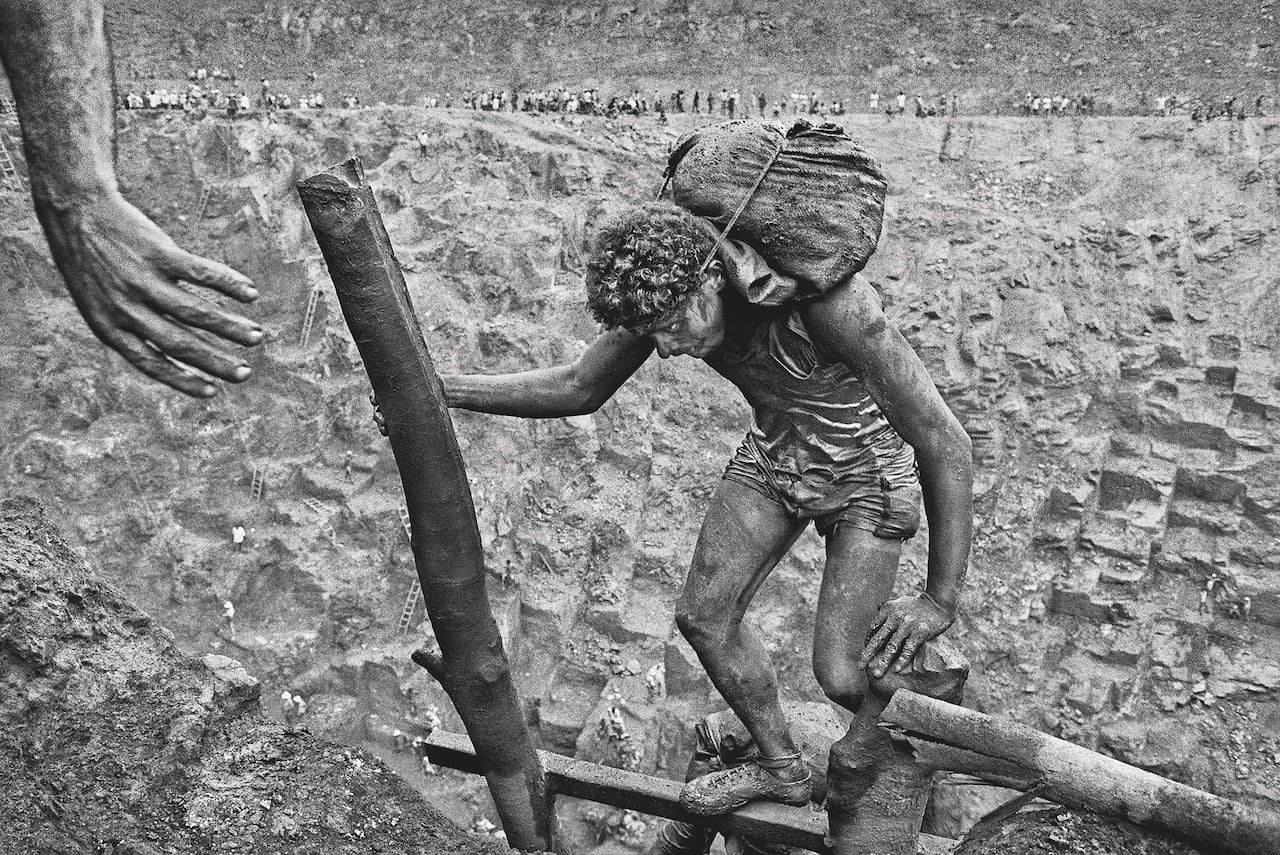
Life was as bleak as it could be for Israel. A Pharaoh who ‘did not know Joseph’ had come to power (Exod 1:8). The entire administrative machinery of one of the ancient world’s great empires was directed against a vulnerable population of immigrants. Forced labour, systematic oppression, attempted genocide. If you had been an Israelite living through those days, the silence of God would have been deafening.
And yet, as Exodus 1:1–2:10 unfolds, the reader sees something the Israelites could not: God was present all along. Not passive, not distant, not indifferent — but actively, invisibly, and irresistibly at work. The passage is a masterclass in two of the Bible’s most foundational convictions: God’s covenant faithfulness and God’s sovereign providence.
God’s Covenant Faithfulness
The narrative of Exodus 1:1–2:10 and its deliberate connections to the Genesis patriarchal narratives demonstrate God’s unwavering commitment to his covenant promises to Abraham, Isaac, and Jacob. Despite the passage of time since the promises were made — and despite the Egyptian attempts to suppress the Israelites — the people flourish and multiply. God’s promise to make Abraham’s offspring into a great nation is being fulfilled (1:1-7; cf. Gen 12:1-3; 46:3-4). The power of Pharaoh cannot stop the arithmetic of the covenant.
It may be helpful to give a brief note in passing as to what a covenant is and its significance. A covenant formalizes a promise, and encourages obedience in a relationship. In Genesis 12:1-3 God made an unconditional promise to Abraham calling for his unconditional response, trust, faith, and obedience. Through Abraham and his descendants, the rebellion of Adam and Eve and its terrible consequences would be reversed. God will bring in a new creation, through Abraham and his descendants, which will eventually bring the blessing of salvation to all the nations.
By nature, God is faithful (Deut 32:4; 1 Thess 5:24). He is dependable and trustworthy. ‘His faithfulness comes out in that he is and remains the God of the covenant and completely grants salvation.’1 God’s faithfulness is not simply for a season. As Exodus 1:8-22 demonstrates, God’s fidelity endures despite powerful opposition: ‘the more they were oppressed, the more they multiplied and the more they spread abroad’ (1:12). The LORD of the covenant is unchanging in his faithfulness (Mic 7:19-20; Mal 3:6). He will not forget his promises or forsake his people.
Christians can be comforted that God will be with us in Christ, as he was with Abraham, Isaac, and Jacob. Jesus is ‘the same yesterday and today and forever’ (Heb 13:8). God’s covenant faithfulness means that his promises endure: in and through the Lord Jesus Christ, all the nations of the world are blessed.
God’s Sovereignty and Providence
God’s sovereignty is evident in the preservation and growth of the Israelites despite harsh oppression and attempted genocide (1:7, 12). But it becomes most breathtaking in the birth and survival of Moses. Pharaoh’s edict to kill every Israelite male infant is subverted by God’s almost amusing and ironic orchestration of events.
First, Moses’ mother faithfully protects her son by placing him in an ark, even as she technically complies with Pharaoh’s command by casting him into the Nile (2:1-4). Second, Pharaoh’s own daughter rescues the child from the river (2:5-7). Third, the boy’s sister, waiting nearby, asks if she can find a wet nurse for the princess, who agrees to pay Moses’ mother to raise the boy (2:7-9). God can even use Israel’s enemies as a means of blessing them.
This passage illustrates and reinforces one consistent truth: Pharaoh wants the Nile to be his instrument of slaughter, but God uses it as the means of saving his deliverer. A daughter, whom Pharaoh had allowed to live, thwarts his plan to kill her brother. In 1:1–2:10, five women — Moses’ mother, his sister, two midwives, and Pharaoh’s daughter — foil the plans of the most powerful man on earth. Because God is sovereign and free to use anyone or anything to work his will, these five women rescue the redeemer of Israel. Exodus reminds us that, as powerful and painful as human experience may be, there is more going on than we can see. These chapters assure us that the LORD our God is in control, powerfully able to work all things for good according to his sovereign purposes, both for our eternal good and for his greater glory. Our call is to know him and to trust him — clinging to Christ, our perfect refuge.
- Herman Bavinck, Reformed Dogmatics, ed. John Bolt and trans. John Vriend (Baker Academic, 2004), 2:208. ↩︎