
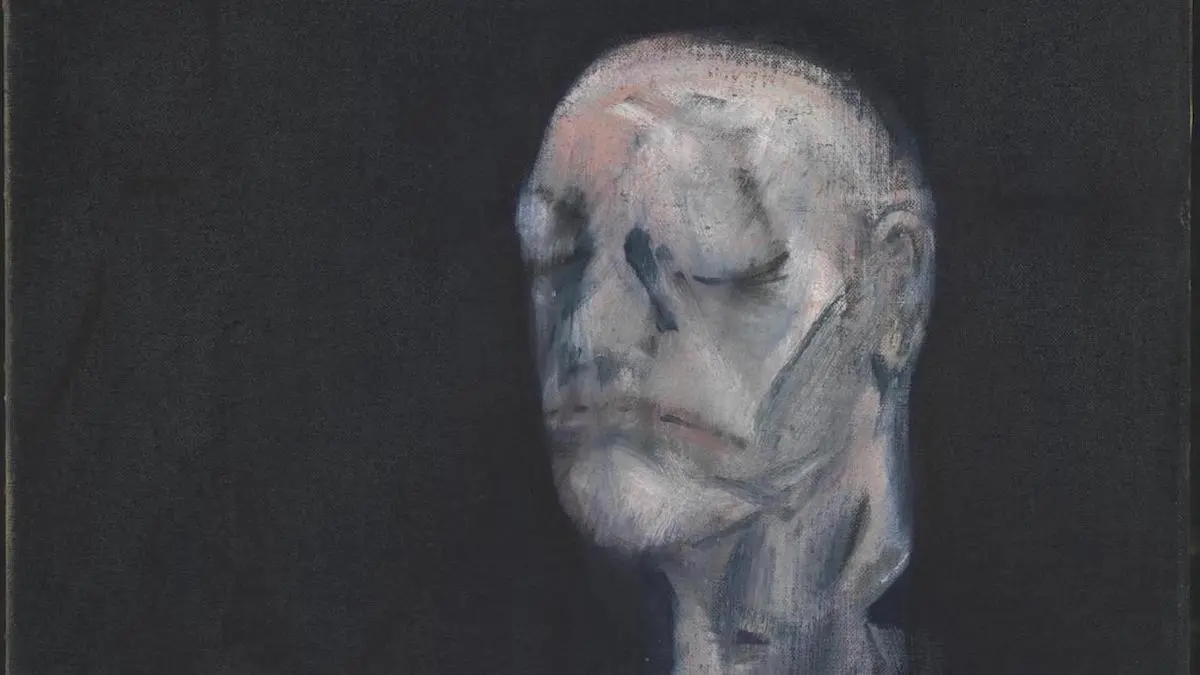
The reality of sin is deeper than deeds.
Through the sin of Adam something changed in the state of human nature itself. That’s a different claim from saying people behave badly — and it changes what kind of problem we’re dealing with.
The most significant source of sin isn’t around you. It’s within you.
Not a Bad Habit — a Congenital Disorder
In Adam’s fall the human constitution was ruined, and ‘brought under the necessity of death.’1Augustine, Enchiridion, 13.46; trans. Outler, 367.
The shift was completely fundamental, being ‘a corruption of the whole nature, and an hereditary disease, wherewith infants themselves are infected even in their mother’s womb, and which produces in man all sorts of sin, being in him as a root thereof.’2The Belgic Confession of Faith, 15; Schaff, Creeds, 3:400.
Sin became a congenital disorder afflicting all subsequent human beings at the core of their being as persons.
‘Our first parents … became dead in sin, and wholly defiled in all the faculties and parts of soul and body. They being the root of all mankind … the same death in sin and corrupted nature conveyed to all their posterity descending from them by ordinary generation. From this original corruption, whereby we are utterly indisposed, disabled, and made opposite to all good, and wholly inclined to evil, do proceed all actual transgressions.’3The Westminster Confession of Faith, 6.1-4; Schaff, Creeds, 3:614.
Notice the direction of travel in that last clause. The corruption isn’t the sum of the sins. The sins are the fruit of the corruption. Actual wrongdoing is downstream of a nature already bent.
Born This Way
All people are born with an inherent and systemic depravity — an inbuilt tendency to evil, profoundly flawed, biased toward harm, averse to God and at enmity with him.
Which means the source and origin of our own actual sins is located within us. Sin resides as a destructive driving force inside. Our very hearts — the centre of ourselves as persons — are evil and deceitful (Jer 7:24; 17:9). This innermost corruption and pollution is what defiles a person (Job 14:4; Matt 15:19-20).
No doubt bad example plays its part. We do imitate others. But the effect of outside influence isn’t decisive.
We don’t sin primarily because of poor ancestry, difficult circumstances, bad company, inadequate education, a polluted environment, or an evil society. These provide occasion and opportunity.
Certainly there’s sin outside us in others, and undoubtedly wickedness above us, among ‘the spiritual forces of evil in the heavenly places’ (Eph 6:12). Yet in biblical perspective the most significant source of sin is ‘within,’ at the very foundations of our being: ‘out of the heart of man, come evil thoughts, sexual immorality, theft, murder, adultery, coveting, wickedness, deceit, sensuality, envy, slander, pride, foolishness. All these evil things come from within, and they defile a person’ (Mark 7:21-23).
Sinfulness is so fundamental that our very nature is sinful (Eph 2:3), and every aspect of our being is spoiled — appetites, desires, impulses, motivation, reason, will. Pollution and corruption are ‘diffused into all the parts of the soul.’4Calvin, Institutes, 2.1.8; 251.
Why You Surprise Yourself
Here’s something you’ll recognise if you’re honest.
Because our total nature is depraved, sins and evils emerge involuntarily — without our intention, against our wishes. Under pressure they arise. In temptation they erupt.
And the personal realisation that wickedness comes from within us, from beneath conscious awareness, rising up out of the unconscious depths of the human heart, is bitterly painful.
Which of us knows nothing of the shock — the strange sense of unbelief — at significant wrongs for which we are personally responsible? ‘The thing that haunts a man the most is what he isn’t ordered to do.’5Clint Eastwood, Gran Torino.
The Move We All Make
Our instinct at that point is almost always the same. We shift blame from ourselves to others. We transfer guilt and responsibility for our own misdoings away from ourselves, attributing our plight to unfortunate events, perhaps, or social conditions, or financial pressures, or even the residue of some base animal appetite or instinct.6Bavinck, Our Reasonable Faith, 226.
No doubt sin entails elements of each of those factors. But look at where that reasoning ends up if you follow it all the way down:
‘If sin lurks in circumstances, in society, in sensuality, in the flesh, in matter, then the responsibility is to be charged to Him who is the Creator and Sustainer of all things. And then man goes scot free.’7Bavinck, Our Reasonable Faith, 227.
That’s the hidden cost of every externalising explanation. Push the origin of sin far enough outside the human person and it ends up lodged in the Creator — and our own moral seriousness evaporates along with it.
Scripture, by contrast, traces the genesis of sin to a perversion of will. It diagnoses the core problem as a corruption of the heart. The origin of sin is located in the creature, and its essential nature is identified in terms of personal fault and spiritual revolt.
This is grim news. But it’s honest news, and it’s the only kind that leads anywhere. A problem misdiagnosed as environmental invites solutions that can’t possibly reach it — better conditions, better education, better company. Those are genuine goods, and they may restrain a great deal. What they can’t do is touch the root.
Left unchecked and unaddressed, sin destroys us from within.
—
- 1Augustine, Enchiridion, 13.46; trans. Outler, 367. ↩︎
- 2The Belgic Confession of Faith, 15; Schaff, Creeds, 3:400. ↩︎
- 3The Westminster Confession of Faith, 6.1-4; Schaff, Creeds, 3:614. ↩︎
- 4Calvin, Institutes, 2.1.8; 251. ↩︎
- 5Clint Eastwood, Gran Torino. ↩︎
- 6Bavinck, Our Reasonable Faith, 226. ↩︎
- 7Bavinck, Our Reasonable Faith, 227. ↩︎