Author: Benjamin Dean

The sufferings of Jesus were, at their heart, punishment — a penalty borne.
Athanasius draws a direct line there from incarnation to suffering. To be born, to take on a full human life, body and soul, in this world — of sin, death and wrath — was already to enter the arena of pain.
All four written Gospels portray Jesus Christ as the world’s true Saviour, Lord and King by telling his story — strangely, yet most significantly — as centred upon his suffering and death.
There’s a shape to Jesus’ life, and once you see it you can’t unsee it. Everything descends, and then everything rises.
Jesus once said, ‘Whoever has seen me has seen the Father’ (John 14:10).
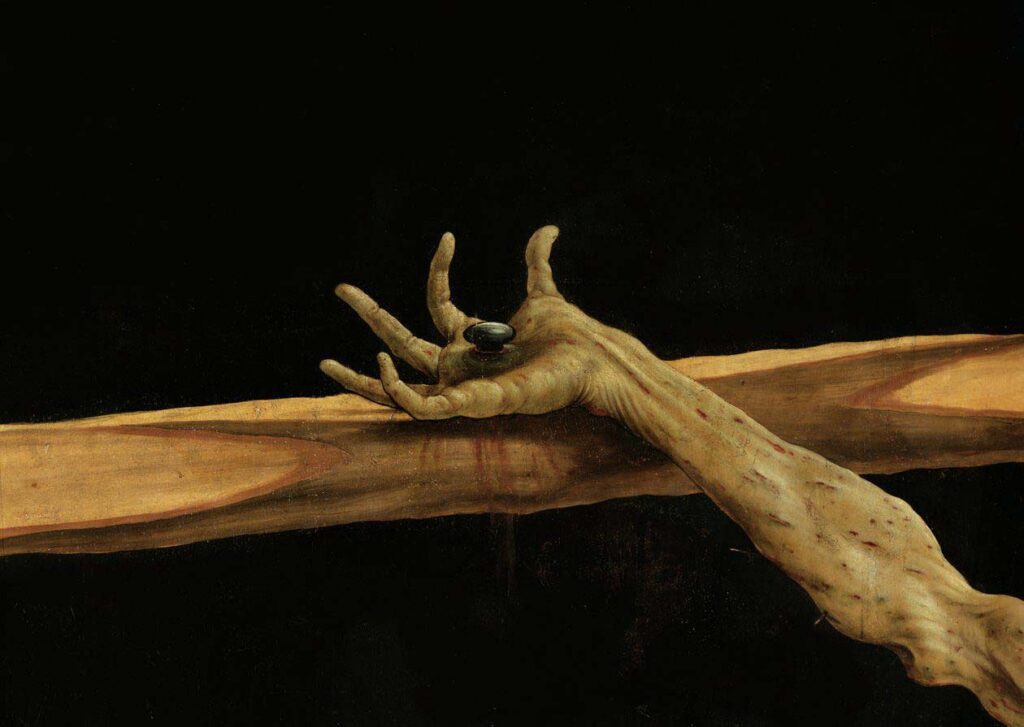
Watching the crucifixion, could you have worked out what was happening?
The gospel is God’s Word. Or more precisely: the written and preached gospel is God’s Word about his Word.
So what does God, through his incarnate Son — ‘Christ clothed with his gospel’ — actually reveal to us?
Everywhere in the Bible, God is knowable, and God is known because — and only because — he is pleased to give such knowledge to us.
That the New Testament good news teaches the Deity of Jesus Christ is beyond reasonable doubt.
The French mathematician and apologist Blaise Pascal reached a startling conclusion: ‘without Jesus Christ the world would not exist, for it would either be destroyed or be a hell.’
A full account of biblical teaching about God would cover a lot of ground: God’s identity (who he is), his character (what he’s like), his will (what he wants), his works (how he acts).

Sign-up

* = required
Name
Consent